Joint REPLACEMENTS
Getting the Best Outcomes with Joint Replacements:
Ideally we get to improve your OWN joints and mobility BEFORE they unecessarily deteriorate and need to be surgically replaced. Through your Sessions we do get to focus on these major joints, restoring full function and range of motion as much as possible.
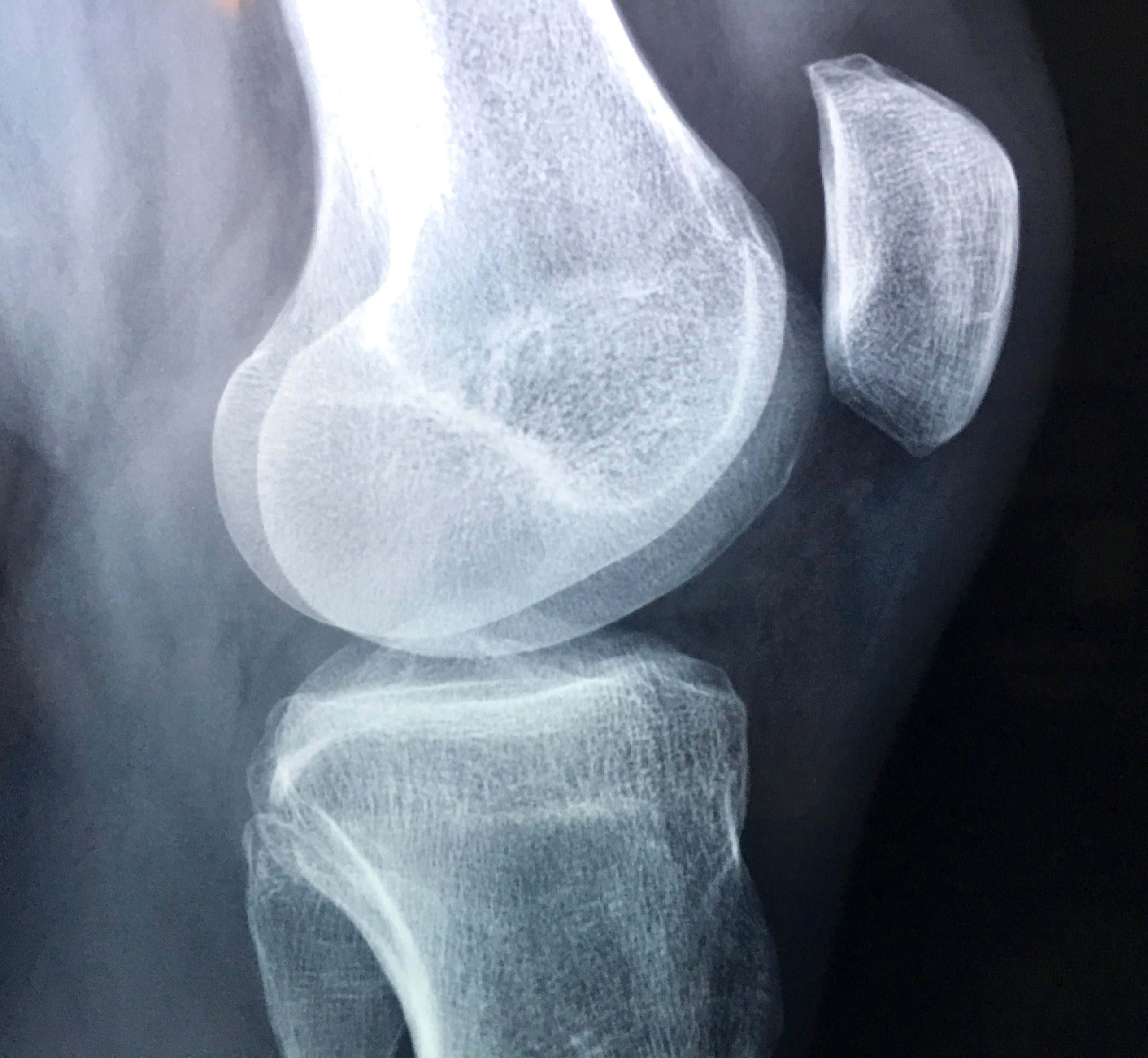
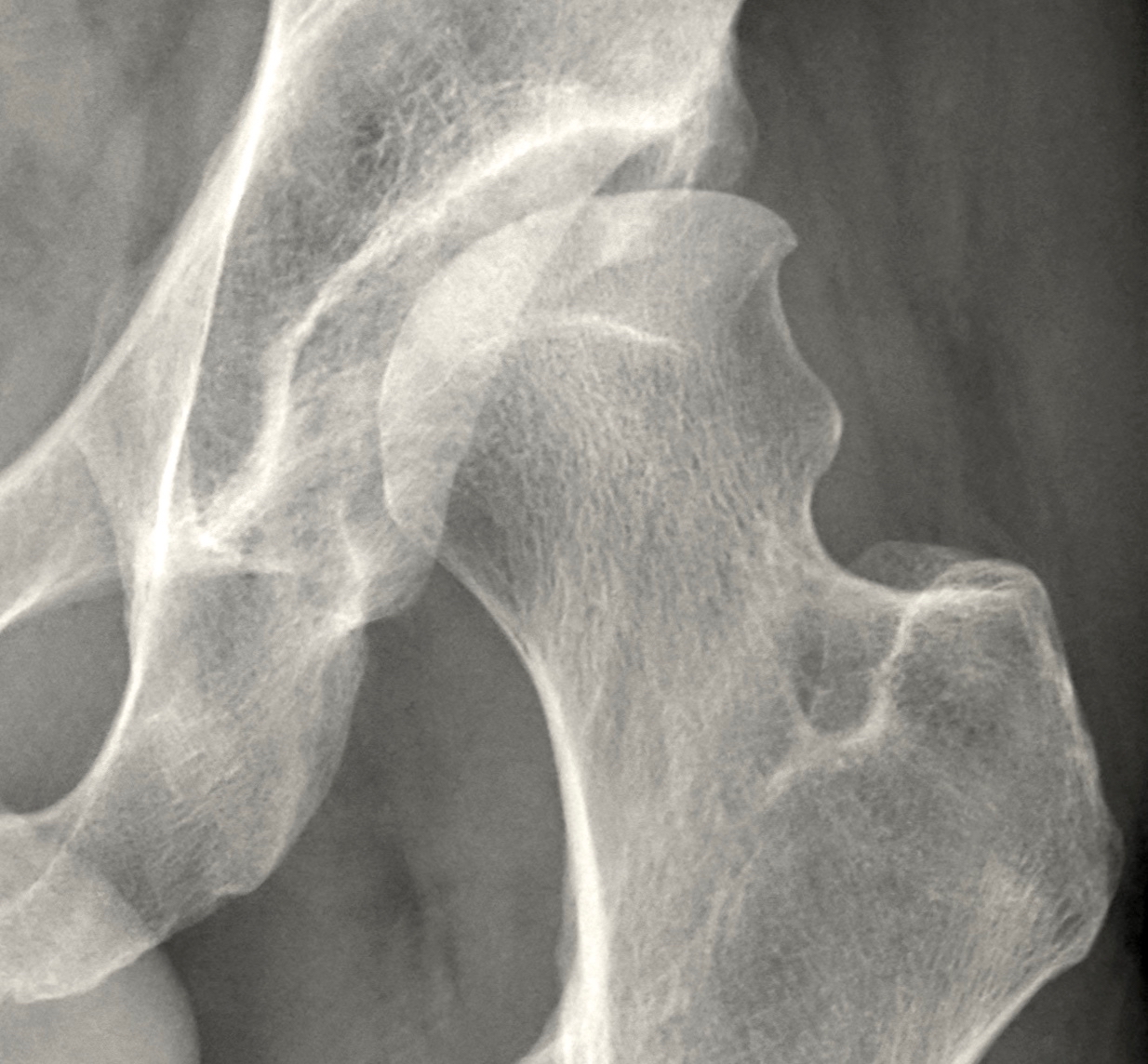
However for some, knees or hips may have deteriorated past the point of no return to where surgical intervention the only realistic option. If this surgery is inevitable there are ways to improve your experience of it and your outcomes.
Working pre-surgery is effective for:
Improving tissue status, tone and movement around the joints concerned – these tissues may have been under considerable strain and in pain for some time.
Enhancing fluid flow, vascularity, and movement through muscular and fascial layers.
Increased movement awareness and movement coordination.
The impending surgery and recovery will then occur with the body tissues already in better shape and condition for healing.
Working post-surgery for maximum rehabilitation:
We are able to have a positive influence on both recovery and future mobility. While joint surgeries have evolved radically in the last decade, the results are often fabulous. However for some this is not the case.
After surgery there will be stages of scar tissue and the rebuilding of tissues as you heal. Plus a gradual process of regaining weight-bearing and movement. Even with an exercise programme, full ranges of motion and strength and whole-body coordination may not be reached. Structural compensations often develop post-surgery, affecting posture, balance, walking gait and whole-body movement.
We can improve your rehabilitation plus your long-term outcomes by ensuring your structure and movement patterns are integrated body-wide and that symmetry is retored most appropriately.
- Mobilise and re-engage areas affected by scar tissues and adhesions
- Restore ranges of motion with respect to the new prosthesis
- Minimise impending assymetries or imbalances in body structure and movement
- Improve coordination and balance around the affected areas and through the whole body
- Work effectively to ensure a more thorough recovery and rehabilitation
- Minimise ongoing structural compensations
- Fully integrate the new prosthesis into your body structure and movement, and your daily and specialised activities